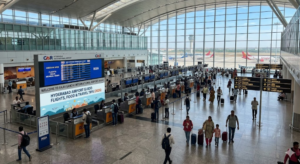
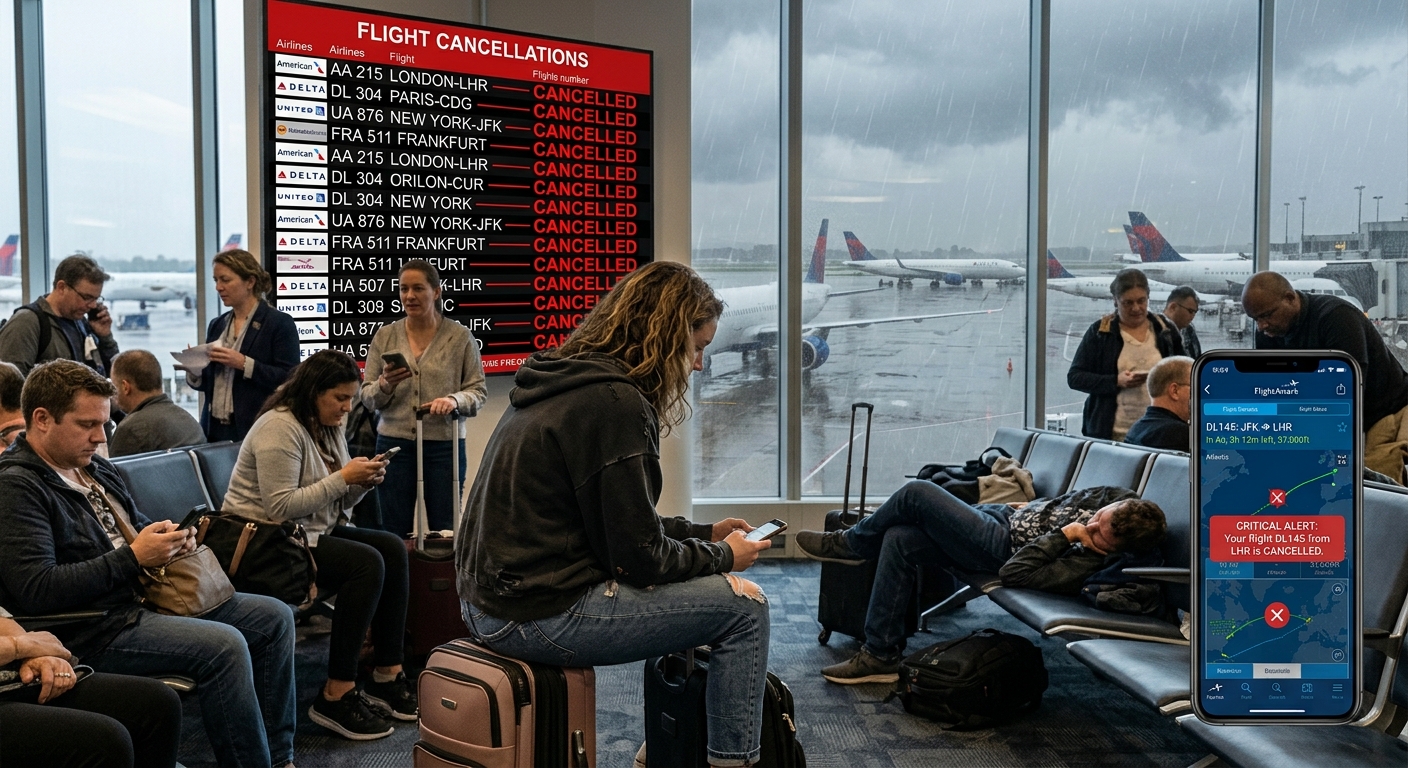

Standing at a crowded airport terminal while watching the word “CANCELLED” flash in bright red across the departures board is an experience no traveler wants to face. Your mind immediately races through a dozen urgent questions: Will I make my connecting flight? How do I get my money back? Where am I going to sleep tonight? Flight cancellations can turn an exciting vacation or important business trip into a stressful situation in a matter of seconds.
Understanding how major airlines operate during unexpected disruptions can change your entire travel experience. Whether you fly frequently or take a single family vacation each year, knowing how to navigate cancellations saves time, protects your budget, and preserves your peace of mind. In this complete guide, we will break down everything you need to know about airline cancellation policies, winter storm disruptions, key hub airports, and proven strategies to get you back in the air smoothly.
The Master Flight Disruption & Airline Comparison Guide
To help you understand how major carriers and hub airports compare during travel disruptions, we have put together this detailed guide based on standard industry policies and operational data.
| Airline / Hub Airport | Primary Cancellation Causes | Rebooking & Change Fee Policy | Automatic Refund Eligibility | Key Passenger Perks Offered | Peak Disruption Seasons |
| United Airlines | Severe weather, hub congestion, air traffic control holds | No change fees on standard economy & premium tickets | Full cash refund if flight is canceled or significantly delayed | Digital self-service rebooking via app, meal vouchers for airline-caused delays | Summer storms, winter polar vortex events |
| American Airlines | Severe weather at major hubs, maintenance, crew constraints | Zero change fees on main cabin and above | Automatic refund to original payment method upon request | In-app instant rebooking tool, hotel vouchers for overnight airline-caused delays | Spring/summer North Texas thunderstorms, winter blizzards |
| Southwest Airlines | Regional weather events, point-to-point network delays | No change fees ever; flexible fare rules across all tickets | Flight credit or full refund if canceled by airline | Two free checked bags retained on rebooked flights, easy transfer of credits | High-volume holiday travel periods, severe winter storms |
| DFW Airport (Dallas/Fort Worth) | Severe spring/summer thunderstorms, winter ice storms | Varies by operating airline | Dependent on operating carrier policy | Extensive dining choices, on-site airport hotel access during delays | April – June (thunderstorms), December – February (ice) |
| JFK Airport (New York) | Atlantic coast winter blizzards, dense fog, air traffic congestion | Varies by operating airline | Dependent on operating carrier policy | Broad international carrier connectivity, dedicated passenger lounge options | December – March (snow/ice), July – August (fog/storms) |
Understanding Why Flight Cancellations Happen
Flight cancellations rarely happen without a cause. Airlines work hard to keep their schedules running smoothly, but safety must always come first. The most common trigger for unexpected schedule changes is severe weather. High winds, heavy thunderstorms, low visibility, and freezing temperatures can quickly make flying unsafe. Air traffic control authorities may order ground stops or reduce arrival rates to ensure safe distances between aircraft.
Mechanical issues represent another major reason for unexpected groundings. Modern commercial airplanes feature advanced electronic systems that require precise maintenance. If an aircraft sensor detects even a minor technical anomaly during pre-flight checks, mechanics must inspect and fix the issue before the plane receives clearance for takeoff. Additionally, crew scheduling limits set by aviation safety regulations strictly enforce maximum working hours for pilots and flight attendants. If severe weather delays a flight crew earlier in their day, they may hit their legal work limit, forcing the airline to cancel subsequent flights until a fresh crew arrives.
How to Handle United Airlines Flight Cancellations
When dealing with united airlines flight cancellations, taking fast action is your best strategy. United operates major hubs across the country, including Chicago O’Hare, Denver, Houston, and Newark. When severe weather hits one of these central hubs, the ripple effect can cause delays across their entire network. Fortunately, United provides powerful digital tools designed to help passengers resolve flight disruptions without waiting in long airport lines.
If your United flight gets canceled, open the official United mobile app immediately. The app automatically detects flight disruptions and presents customized rebooking options right on your screen. You can select new flights, request standby seats, or track incoming aircraft without standing in line at the customer service desk. If United cancels your flight entirely and you decide not to travel, you are entitled to a full refund to your original form of payment rather than a travel voucher.
Pro Traveler Tip: If you notice your United flight is delayed due to an incoming aircraft issue, check the “Where is my plane coming from?” feature in the app. This gives you an early warning if your plane is stuck elsewhere, allowing you to seek rebooking options before the official cancellation is announced.
Managing American Airlines Flight Cancellations Like a Pro
Dealing with american airlines flight cancellations requires a clear, organized approach, especially if you are connecting through major hubs like Dallas/Fort Worth, Charlotte, or Miami. As one of the largest passenger carriers in the world, American manages thousands of daily flights. When unexpected disruptions occur, customer service lines at airport gates can grow very long in a matter of minutes.
To handle an American Airlines cancellation efficiently, use both digital tools and phone support at the same time. Open the American Airlines mobile app to check for automatic rebooking options, while simultaneously calling their customer support line. If you hold elite status or carry an eligible AAdvantage credit card, use the dedicated priority phone lines for much faster assistance. American Airlines allows passengers whose flights are canceled to request a complete cash refund or rebook on the next available flight at no extra charge.
Navigating Southwest Flight Cancellations and Flexible Policies
Experiencing southwest flight cancellations feels somewhat different from disruptions on traditional legacy carriers due to Southwest’s unique point-to-point route network. Instead of routing all flights through a single massive hub, Southwest aircraft fly directly between many regional and major cities. While this structure keeps fares competitive, a single weather event in one region can create a cascading delay across multiple cities later in the day.
The good news for Southwest passengers is the airline’s flexible change policy. Southwest never charges change fees, making it easy to swap your flight through their mobile app or website. If Southwest cancels your flight, you can easily rebook on another available flight within 14 days of your original travel date at no extra cost. If you choose not to rebook, you can quickly request a full refund to your original payment method or keep the funds as flexible transferrable flight credit for future travel.
Master Strategies for DFW Flight Cancellations
Navigating dfw flight cancellations presents unique challenges because Dallas/Fort Worth International Airport serves as the main global hub for American Airlines. Spanning a massive geographic area with five separate terminals, DFW handles huge passenger volumes every day. The region frequently experiences severe North Texas thunderstorms in the spring and afternoon heat holds during the summer, both of which can quickly delay airport operations.
If you find yourself stuck at DFW due to a flight cancellation, quick movement is essential. Terminals A, B, C, D, and E are connected post-security by the efficient Skylink train system, allowing you to move between terminals in under ten minutes to reach open customer service desks. Because DFW is a major American Airlines hub, gate agents in quieter terminals (like Terminal D or E) can often process your rebooking request much faster than agents in heavily crowded domestic terminals like Terminal C.
DFW Navigation Strategy:
[Terminal C Gate Desk (Heavy Crowds)]
│
▼ (Take Skylink Train – 5 Mins)
[Terminal D/E Gate Desk (Shorter Lines & Faster Rebooking)]
Beating the Cold: Survival Tips for Winter Storm Flight Cancellations
Dealing with winter storm flight cancellations requires advance preparation and flexibility. Winter blizzards, freezing rain, and ice storms can paralyze entire aviation corridors for days at a time. When major weather systems approach, airlines regularly issue proactive travel waivers, allowing passengers to reschedule their trips for free before the bad weather actually hits the airport.
When winter weather threatens your travel plans, keep these practical steps in mind:
- Monitor Weather Warnings Early: Check weather forecasts for your departure city, layover hub, and final destination at least 48 hours before your flight.
- Capitalize on Airline Waivers: If your airline issues a storm waiver, rebook your flight to an earlier time slot or a different day before cancellations begin.
- Pack Smart in Your Carry-On: Always pack essential items in your carry-on bag, including warm layers, medications, phone chargers, snacks, and basic toiletries, in case you get stuck overnight.
- Book Morning Departures: Early morning flights are significantly less likely to be canceled during winter weather because the aircraft is usually already parked at the gate from the previous night.
Surviving JFK Flight Cancellations in Busy Airspace
Handling jfk flight cancellations requires patience and preparation, as John F. Kennedy International Airport operates within one of the busiest air traffic sectors in the world. Serving as a primary international gateway for New York City, JFK manages heavy air traffic volumes every single day. Even minor weather disruptions, dense sea fog, or local airspace congestion can lead to significant departure holds and cascading cancellations.
When facing a cancellation at JFK, consider exploring alternative local airport options. New York City is served by three major commercial airports: JFK, LaGuardia (LGA), and Newark Liberty (EWR). If your flight out of JFK is canceled and the next available seat is hours or days away, ask your airline customer service representative if they can rebook you out of LGA or EWR instead. Most major carriers will happily change your co-terminal departure point without charging additional fees during major travel disruptions.
Step-by-Step Action Plan When Your Flight Is Canceled
When you hear the announcement that your flight has been canceled, staying calm and taking immediate, systematic steps will help you resolve the situation faster than most passengers around you.
- Step 1: Open Your Airline Mobile App Immediately
Do not wait in the long airport line right away. Open your airline app to view automatic rebooking options or select new flights directly on your phone screen. - Step 2: Place a Call to Customer Service
Dial the airline customer service line while standing in line at the gate desk. Whichever resource answers first—the phone agent or the gate agent—will be able to rebook your itinerary. - Step 3: Know Your Refund Rights
If the airline cancels your flight and you decide to cancel your trip entirely, you are legally entitled to a complete refund in your original form of payment, regardless of ticket class. - Step 4: Request Food and Hotel Vouchers
If the cancellation is caused by an airline issue (such as mechanical repair or crew shortages) and requires an overnight stay, ask the agent for hotel accommodations and meal vouchers. - Step 5: Protect Your Checked Luggage
If your flight is canceled before takeoff, confirm with the gate agent whether your checked bags will be brought back to the baggage claim area or automatically forwarded to your new flight.
Essential Rights Every Air Traveler Must Know
Understanding your passenger rights is your best tool when flight disruptions happen. Federal regulations protect travelers by ensuring clear refund standards during major cancellations. If an airline cancels your flight for any reason and you decline their offered rebooking options, the airline must refund your unused ticket price, along with any prepaid baggage or seat selection fees.
It is important to understand the clear distinction between airline-caused cancellations and uncontrollable weather delays. When cancellations occur due to internal operational failures—such as mechanical breakdowns or staffing shortages—airlines typically provide meal vouchers, ground transportation, and hotel stays for overnight disruptions. However, when cancellations stem from severe weather or air traffic control mandates, airlines are generally not required to cover hotel or meal expenses, though they will still assist you in rebooking on the next available flight.
Conclusion: Take Control of Your Travel Experience
Flight cancellations are an unpredictable part of modern travel, but they do not have to ruin your travel plans. By understanding how major carriers like United, American, and Southwest manage disruptions, knowing how to navigate hub airports like DFW and JFK, and staying prepared for winter storms, you can handle unexpected delays with complete confidence. The key to stress-free travel is staying proactive—use mobile apps, act quickly, and always know your rights as a passenger.
Have you ever faced a sudden flight cancellation? Share your favorite survival tips or travel experiences in the comments below, and pass this guide along to help fellow travelers prepare for their next journey!
Frequently Asked Questions (FAQs)
What happens if my flight gets canceled while I am at the airport?
If your flight is canceled while you are at the airport, use your airline’s mobile app immediately to select new flight options. At the same time, join the line for the customer service desk or call the airline’s support hotline to secure a seat on the next available departure.
Am I entitled to a full cash refund if the airline cancels my flight?
Yes. If an airline cancels your flight for any reason and you choose not to accept their alternative rebooking options, you are legally entitled to a full refund paid to your original payment method, including all unused ticket fees.
What should I do if a winter storm cancels my connection?
If a winter storm disrupts your connecting flight, contact your airline right away through their app or phone service. Ask them to rebook you on an alternative route or inquire about meal and hotel vouchers if the disruption involves a long overnight wait.
Will the airline pay for my hotel if my flight is canceled overnight?
Airlines usually provide hotel vouchers for overnight cancellations caused by issues within their control, such as mechanical problems or crew shortages. However, if the cancellation is due to severe weather, airlines are generally not required to pay for accommodations.
Can I request to fly out of a different nearby airport after a cancellation?
Yes. If your original flight is canceled at a multi-airport hub like New York (JFK, LGA, EWR), you can ask customer service agents to rebook your itinerary out of a nearby airport if seats are open.
How far in advance do airlines cancel flights for bad weather?
Airlines often cancel flights 12 to 48 hours ahead of major weather events like winter blizzards or hurricanes. They do this to keep planes and flight crews safe and to issue travel waivers so passengers can change their plans for free before reaching the airport.