
A surprising rash after dinner or sudden stomach pain after a snack can leave anyone asking the same question: Could this be a food allergy? That is where food allergy testing becomes important. It helps identify whether your body is reacting to specific foods and can guide safer eating decisions.
Because food reactions can range from mild discomfort to life-threatening symptoms, understanding food allergy testing can make a major difference for adults, children, and even pets.
What Is Food Allergy Testing?
Food allergy testing is a medical process used to determine whether your immune system reacts abnormally to certain foods.
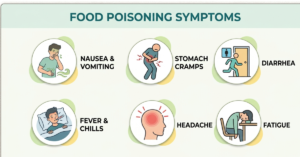
Unlike food intolerances, true food allergies involve the immune system and can trigger symptoms such as:
- Hives
- Swelling
- Trouble breathing
- Vomiting
- Diarrhea
- Anaphylaxis
Doctors often combine allergy testing with your medical history and symptoms to make an accurate diagnosis.
Why Food Allergy Testing Matters
Many people assume they have a food allergy when they actually have a sensitivity or intolerance.
Food allergy testing can help:
- Identify dangerous trigger foods
- Prevent severe allergic reactions
- Reduce unnecessary food restrictions
- Improve quality of life
- Create safer meal plans
Without proper testing, people may avoid foods they can safely eat or miss a serious allergy that needs treatment.
Common Types of Food Allergy Testing
Several methods can be used for food allergy testing, depending on symptoms and age.
Skin Prick Testing
Skin prick testing is one of the most common options.
How it works:
- Tiny drops of allergen extracts are placed on the skin
- The skin is gently pricked
- The doctor watches for a reaction
- Results usually appear within 15–20 minutes
A raised bump may indicate an allergy.
This test is often used for:
- Peanuts
- Milk
- Eggs
- Wheat
- Shellfish
Blood Testing for Food Allergies
Blood tests measure allergy-related antibodies called IgE antibodies.
Doctors may recommend blood testing when:
- Skin conditions make skin tests difficult
- Medications interfere with skin testing
- Severe reactions are possible
- Young children need evaluation
Blood tests can sometimes be less immediate than skin testing but still useful.
Oral Food Challenge
An oral food challenge is considered one of the most accurate methods.
During this test:
- Small amounts of a suspected food are eaten
- A doctor monitors for symptoms
- Doses increase gradually
- Emergency treatment is available if needed
Because of the risk, this test should only happen under medical supervision.
Food Allergy Testing at Home
Many companies now offer food allergy testing at home kits.
These typically involve:
- Finger-prick blood samples
- Mail-in lab analysis
- Digital results
Benefits of at-home kits:
- Convenient
- Private
- No clinic visit
- Faster scheduling
Important caution:
Some home kits test for food sensitivities rather than true allergies, which can cause confusion. A doctor should always interpret results before major diet changes.
Food Allergy Testing Kit: What to Know
A food allergy testing kit can sound appealing, but not all kits are equally reliable.
Before buying one, look for:
- Certified laboratory processing
- Physician review options
- Clear instructions
- Transparent reporting
- Scientific backing
At-home tests can be helpful as a starting point, but they should not replace professional medical advice.
Food Allergy Testing Cost
One of the most common concerns is food allergy testing cost.
Typical price ranges:
- Skin test: $60–$300
- Blood test: $200–$1,000
- Oral food challenge: $300–$2,500
- At-home kits: $70–$400
The final cost depends on:
- Number of allergens tested
- Insurance coverage
- Clinic location
- Specialist fees
Insurance often covers medically necessary allergy testing, but coverage varies.
Food Allergy Testing for Kids
Children often need specialized food allergy testing for kids because food allergies are common early in life.
Common childhood allergens include:
- Milk
- Eggs
- Peanuts
- Soy
- Wheat
- Tree nuts
Pediatric allergy testing may help:
- Prevent severe reactions
- Improve school safety
- Guide dietary planning
- Reduce parental stress
Doctors usually choose the least stressful method based on the child’s age.
Allergy Testing for Kids: What Parents Should Expect
Parents often feel nervous before allergy testing for kids, but the process is usually quick.
What to expect:
- Review of symptoms
- Family history discussion
- Skin or blood testing
- Follow-up plan
- Food management advice
Most children tolerate testing well with proper preparation.
Food Allergy Testing for Dogs
Pets can develop food allergies too, making food allergy testing for dogs increasingly common.
Signs of food allergies in dogs include:
- Itchy skin
- Ear infections
- Digestive issues
- Paw licking
- Hair loss
Veterinarians often recommend an elimination diet before formal dog allergy testing.
Dog Allergy Testing: Is It Accurate?
Dog allergy testing can be useful, but accuracy varies.
Veterinarians may use:
- Blood testing
- Saliva testing
- Elimination diets
Many experts still consider a carefully supervised elimination diet the best way to identify food triggers in dogs.
Symptoms That Suggest You Need Food Allergy Testing
You may want food allergy testing if symptoms happen after eating.
Common warning signs:
- Tingling mouth
- Skin rash
- Swelling
- Wheezing
- Stomach cramps
- Vomiting
- Dizziness
Severe symptoms require emergency care immediately.
How to Prepare for Food Allergy Testing
To get reliable results:
Before your appointment:
- Keep a food diary
- Note symptoms carefully
- Bring medication lists
- Avoid antihistamines if instructed
- Write down questions
Preparation helps your doctor make a better diagnosis.
What Food Allergy Testing Cannot Do
Even the best food allergy test has limitations.
It may not:
- Predict reaction severity
- Diagnose food intolerance
- Explain every symptom
- Replace medical judgment
Testing works best when combined with professional evaluation.
Read also <<< How to Grind Coffee Beans
FAQs About Food Allergy Testing
How accurate is food allergy test?
Food allergy test can be accurate, but no single test is perfect. Doctors usually combine several tools.
Can I do food allergy test at home?
Yes, food allergy test at home is available, but results should be reviewed by a healthcare provider.
How much does food allergy test cost?
Food allergy test cost ranges from about $60 to over $2,000 depending on the method.
Is food allergy test painful?
Most tests involve minor discomfort, like a skin prick or small blood sample.
Can dogs get food allergy test?
Yes, food allergy test for dogs is available through veterinarians.
Conclusion
Understanding food allergy testing can help you take control of unexplained symptoms and make safer decisions for yourself, your child, or even your pet. From skin tests to blood work and food allergy testing kits, there are several ways to identify potential food triggers.
If you suspect a food allergy, the smartest next step is to speak with a qualified healthcare provider who can recommend the right test approach and help you build a safe long-term plan.